
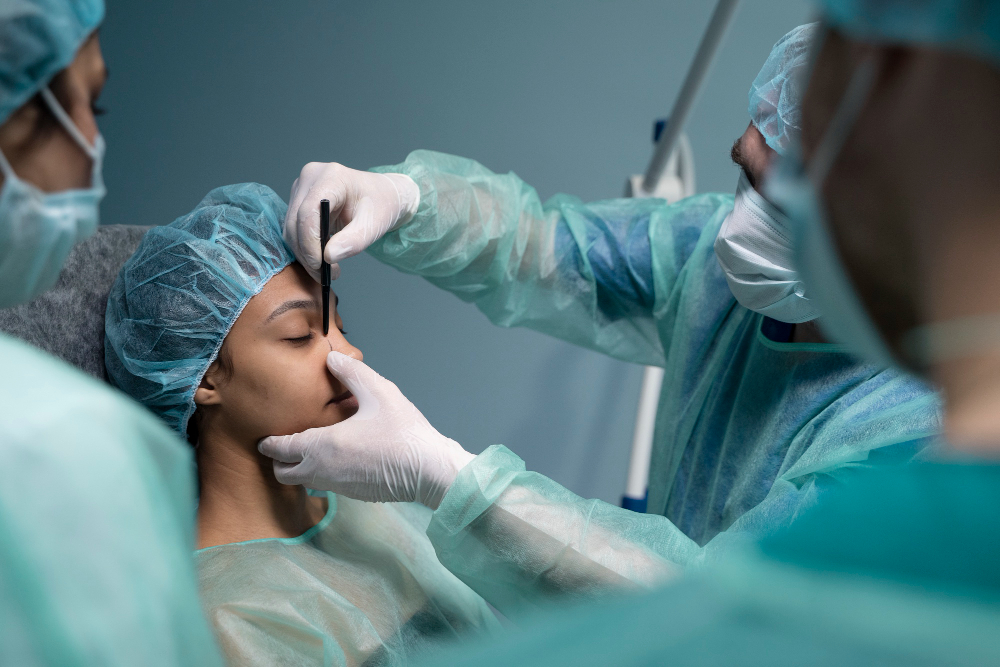
Advanced endoscopic techniques to treat chronic sinusitis, nasal blockages, and polyps. This minimally invasive procedure improves sinus drainage, reduces infection, and offers faster recovery with minimal discomfort, bleeding, or scarring. Ideal for patients with recurring sinus issues who seek lasting relief through precision-guided intervention without the need for external incisions.

Surgical correction of a deviated nasal septum to enhance airflow and breathing quality. Septoplasty is recommended for chronic nasal obstruction, snoring, or sinus problems caused by a misaligned septum. The procedure restores nasal function, reduces congestion, and improves sleep quality with minimal downtime and no change to nasal appearance.
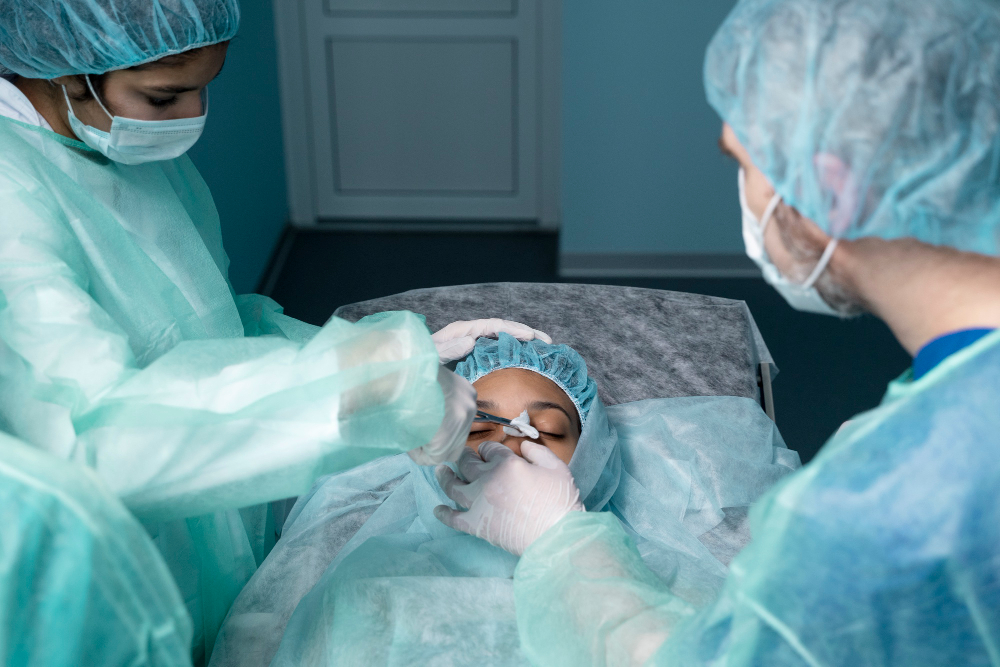
Minimally invasive surgery to open blocked tear ducts, reducing watery eyes and chronic infections. Using endoscopic tools, this scar-free procedure restores natural tear flow without external incisions. It is ideal for patients with chronic dacryocystitis, helping prevent eye discomfort, infections, and persistent tearing through a safe, efficient surgical solution.
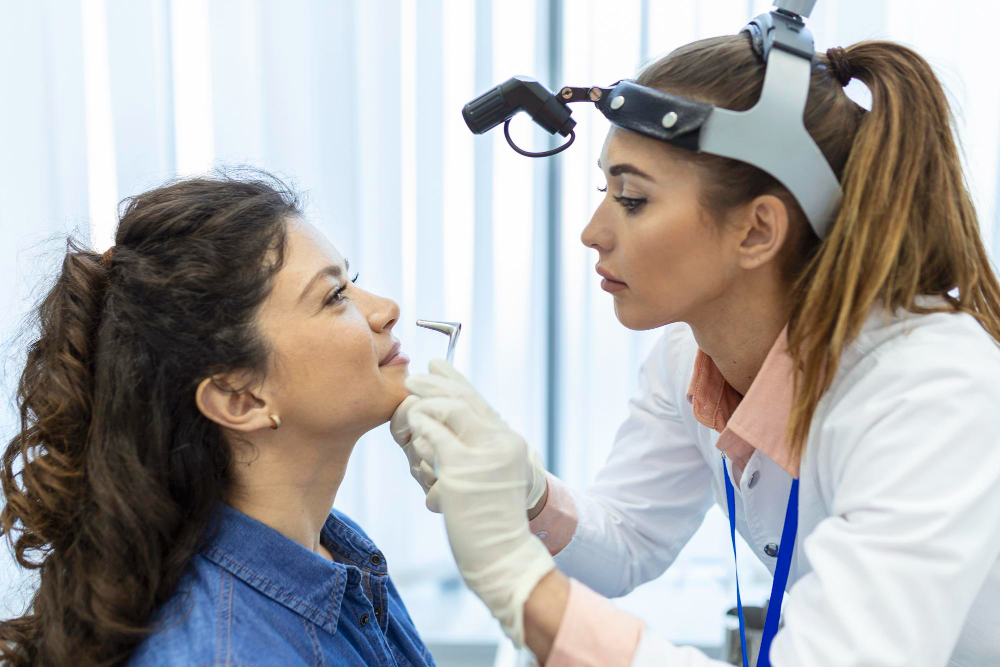
Specialized cleaning of fungal-infected sinuses to prevent recurrence and complications. This endoscopic procedure removes fungal debris while preserving healthy tissue. Often recommended in cases resistant to medication, it helps relieve symptoms, improve sinus ventilation, and support recovery through targeted removal of fungal buildup with minimal trauma and scarring.

Realignment of broken nasal bones following trauma or injury to restore proper shape and function. The procedure improves breathing, resolves pain, and corrects cosmetic deformities. Often performed within days of injury, it’s a simple yet essential intervention to prevent long-term nasal obstruction, crookedness, or breathing difficulties.

Removal of enlarged adenoids and tonsils causing snoring, infections, or breathing issues. Modern techniques like endoscopic and coblation-assisted surgery minimize pain, bleeding, and downtime. This surgery is commonly performed in children and adults for improved airway function, fewer throat infections, and better sleep quality long-term.
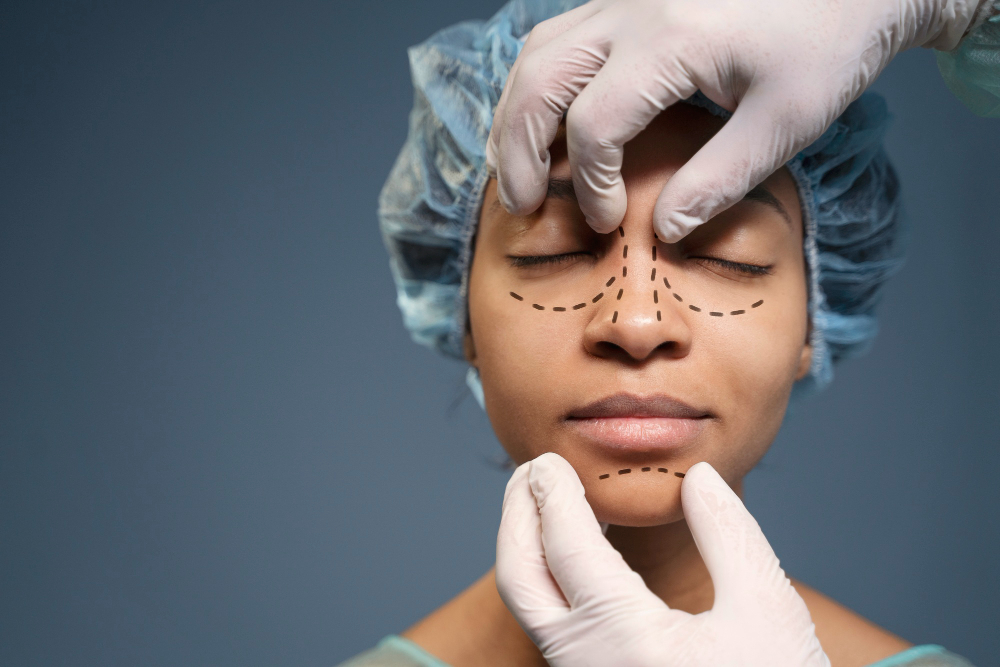
Surgical treatment for Eagle’s Syndrome, involving removal of the elongated styloid process causing throat or facial pain. The procedure relieves pressure on nearby nerves and blood vessels. It’s a precise surgery aimed at improving quality of life by reducing chronic pain, difficulty swallowing, or earaches associated with this rare condition.
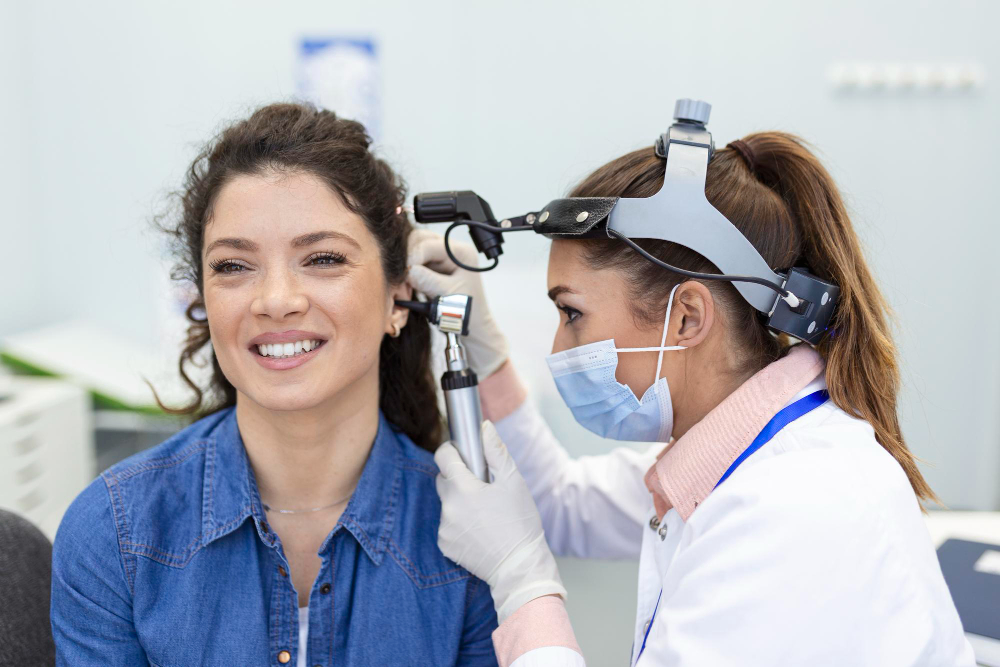
High-precision surgeries for chronic ear conditions such as tympanic membrane perforation, cholesteatoma, or hearing loss. Performed under a microscope, these include tympanoplasty, mastoidectomy, and ossiculoplasty. These surgeries help restore hearing, reduce infections, and repair ear structures with minimal risk and high surgical accuracy.

A delicate surgery to relieve compression on the facial nerve due to trauma, infections, or tumors. This procedure helps restore facial movements, reduce pain or twitching, and prevent permanent nerve damage. It’s essential for preserving facial function and is performed with utmost precision and anatomical care.

Removal of benign cysts in the head, neck, or scalp to prevent infection, discomfort, or aesthetic concerns. These are typically outpatient procedures performed under local anesthesia. Prompt excision helps avoid complications such as swelling, infection, or rupture, and ensures complete removal for optimal cosmetic and medical outcomes.
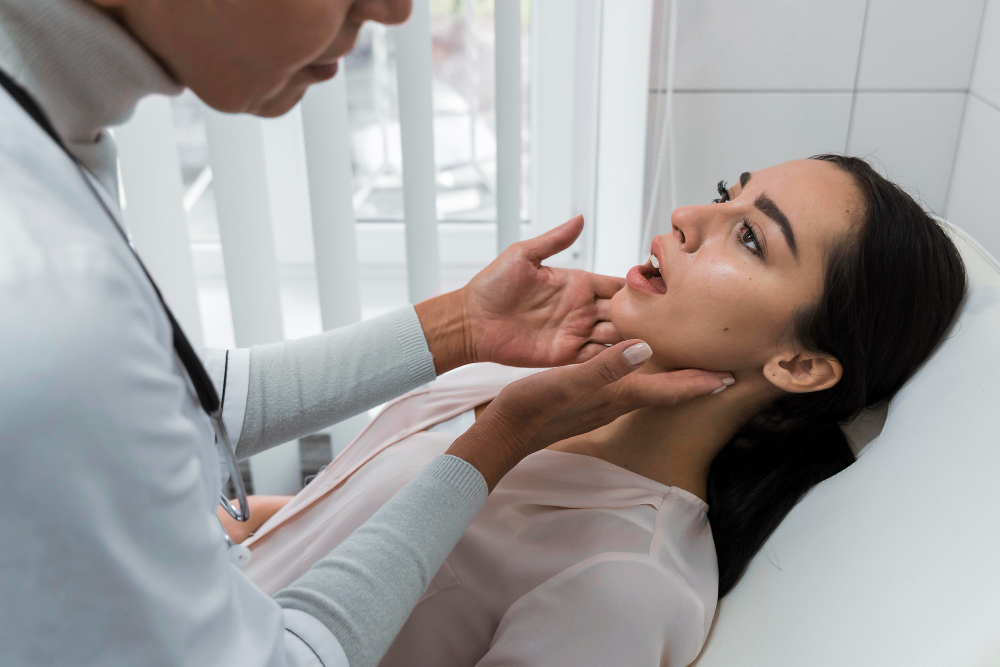
A life-saving procedure to create a direct airway through the neck for patients requiring long-term ventilation or with upper airway obstruction. It supports breathing in emergencies or chronic respiratory conditions. Performed under sterile conditions, it offers better airway access, reduced breathing effort, and improved quality of life.
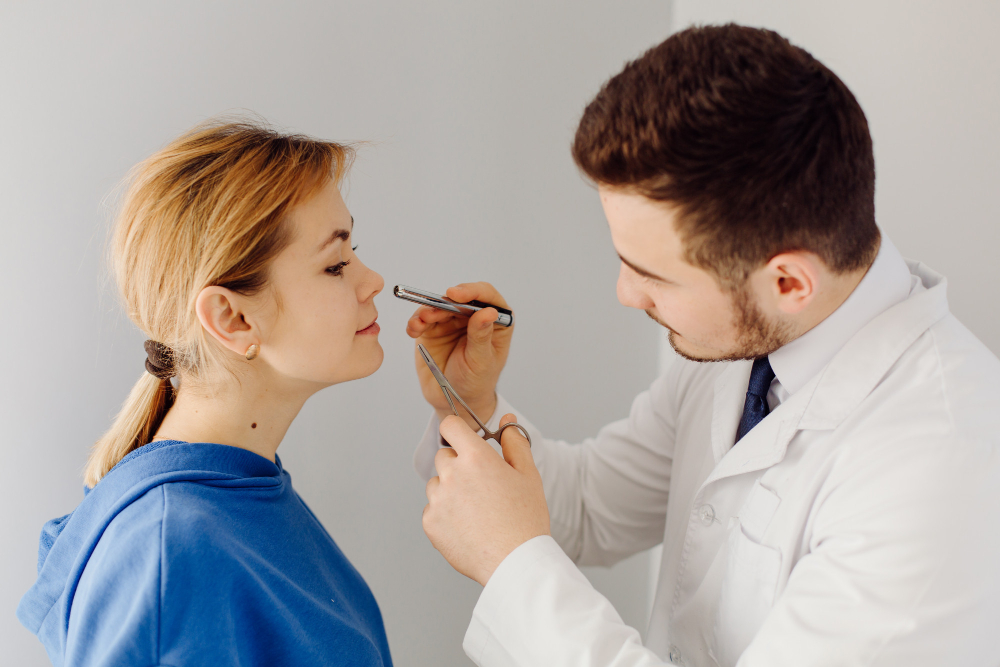
Safe and gentle removal of foreign objects lodged in the ears, nose, throat, or food pipe. Often seen in children, this procedure prevents airway obstruction, infections, or tissue damage. Prompt removal ensures minimal discomfort and prevents complications like bleeding or aspiration using specialized ENT instruments.

Surgical removal of thyroid nodules, goiters, or cancerous tissue. The procedure may involve partial or total thyroidectomy with careful preservation of nerves and parathyroid glands. It’s performed to improve swallowing, breathing, or manage hormonal imbalances. Post-surgical care includes hormone monitoring and follow-up for optimal recovery.

Surgery to remove tumors or infections in the parotid gland while preserving facial nerve function. Commonly used for both benign and malignant conditions, the procedure is performed with extreme care to avoid facial paralysis. It improves comfort, aesthetics, and gland function while preventing further complications.

Drainage of pus-filled swellings to relieve pain, reduce infection, and prevent spread. Often an emergency procedure, it helps clear abscesses caused by dental or soft tissue infections. It’s quick, effective, and essential for preventing life-threatening complications from untreated infections in the head and neck.

Endoscopic examination of the nasal cavity and throat to diagnose blockages, polyps, vocal cord issues, or tumors. This quick, outpatient procedure allows real-time visual assessment and early detection of ENT disorders. It is essential for accurate diagnosis and planning the most effective treatment.
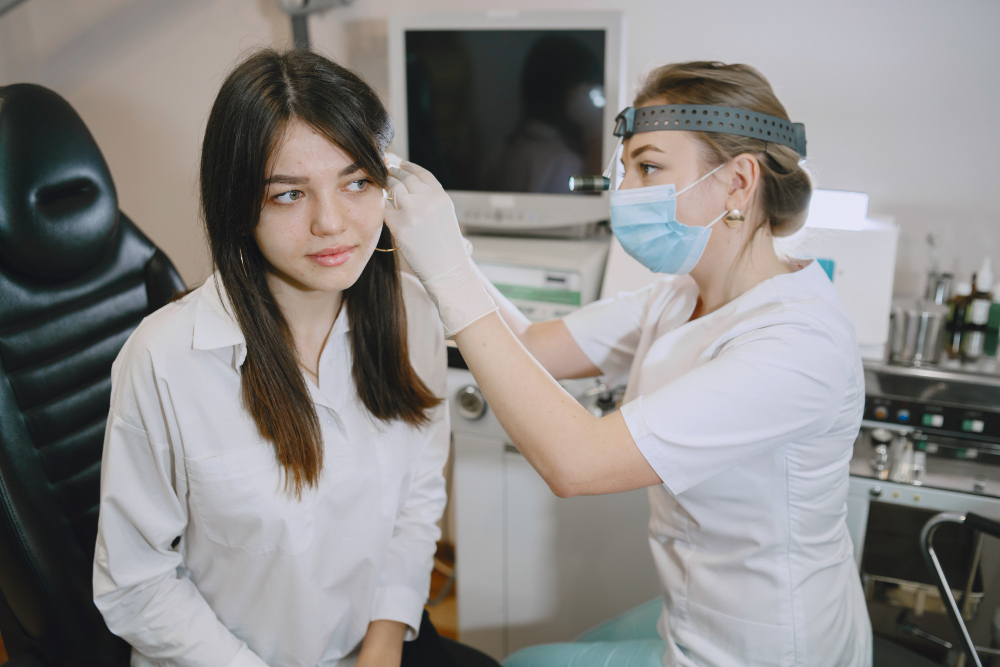
Reconstruction of torn or stretched ear lobes caused by trauma, heavy earrings, or accidental injuries. This cosmetic procedure is performed under local anesthesia and restores natural ear shape. It’s quick, safe, and helps patients regain confidence and the ability to wear earrings again.

Comprehensive assessment for individuals with swallowing issues or risk of aspiration. This includes endoscopic evaluations to identify food or liquid entering the airway. Accurate diagnosis helps prevent lung infections, chronic cough, or choking episodes, especially in elderly or neurologically compromised patients.

Surgical removal of raised keloid scars on the ears caused by piercings or injury. The procedure reduces discomfort, improves appearance, and prevents recurrence when followed by appropriate post-operative care like pressure earrings or steroid therapy. It’s ideal for patients seeking cosmetic correction and relief.

Collection of tissue samples from suspicious oral lesions for laboratory analysis. This diagnostic procedure is essential for detecting oral cancers, infections, or autoimmune diseases early. Done under local anesthesia, it enables prompt and targeted treatment while ensuring accurate identification of underlying pathology.
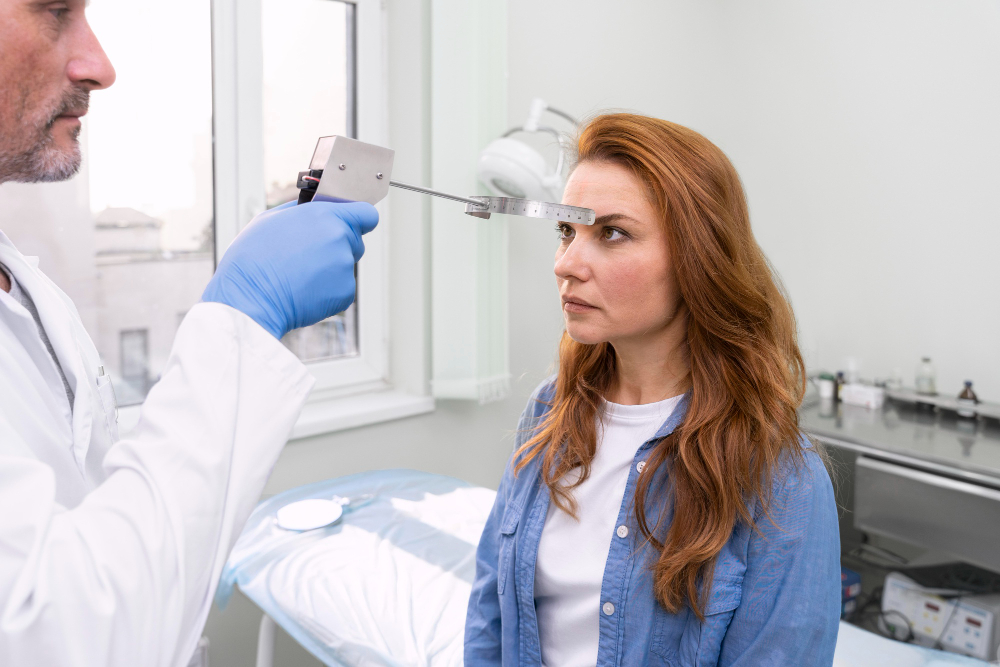
A delicate endoscopic surgery to relieve pressure in the eye socket caused by thyroid eye disease or trauma. It reduces bulging eyes (proptosis), restores eye movement, and protects vision. It’s a scarless, advanced approach to improving both function and cosmetic concerns in orbital conditions.

Comprehensive care for nasal allergies causing sneezing, runny nose, or congestion. Includes diagnosis, avoidance strategies, antihistamines, and immunotherapy. Helps reduce reliance on medications and improves quality of life for patients with chronic allergic rhinitis, sinus inflammation, or environmental allergen sensitivity.

Evaluation and treatment of dizziness, imbalance, or spinning sensation caused by inner ear disorders. Includes diagnostic tests and vestibular rehabilitation exercises. Tailored therapy helps prevent falls, relieve anxiety, and improve daily function, especially in elderly patients or those with vestibular dysfunction.

A delicate endoscopic surgery to relieve pressure in the eye socket caused by thyroid eye disease or trauma. It reduces bulging eyes (proptosis), restores eye movement, and protects vision. It’s a scarless, advanced approach to improving both function and cosmetic concerns in orbital conditions.